
Work
Every one of these started with someone convinced marketing was the problem.
Five audits, five different businesses: law, hospitality, spirits, nonprofit advocacy, craft retail. What follows is what each audit actually found, the solutions that were built, and what changed after.
Licensed to Distill
An audience isn't a business model until somebody turns it into one.
Zero Proof Project
A standing initiative this framework made possible
Zero Proof Week
An annual industry event, same framework
Situation
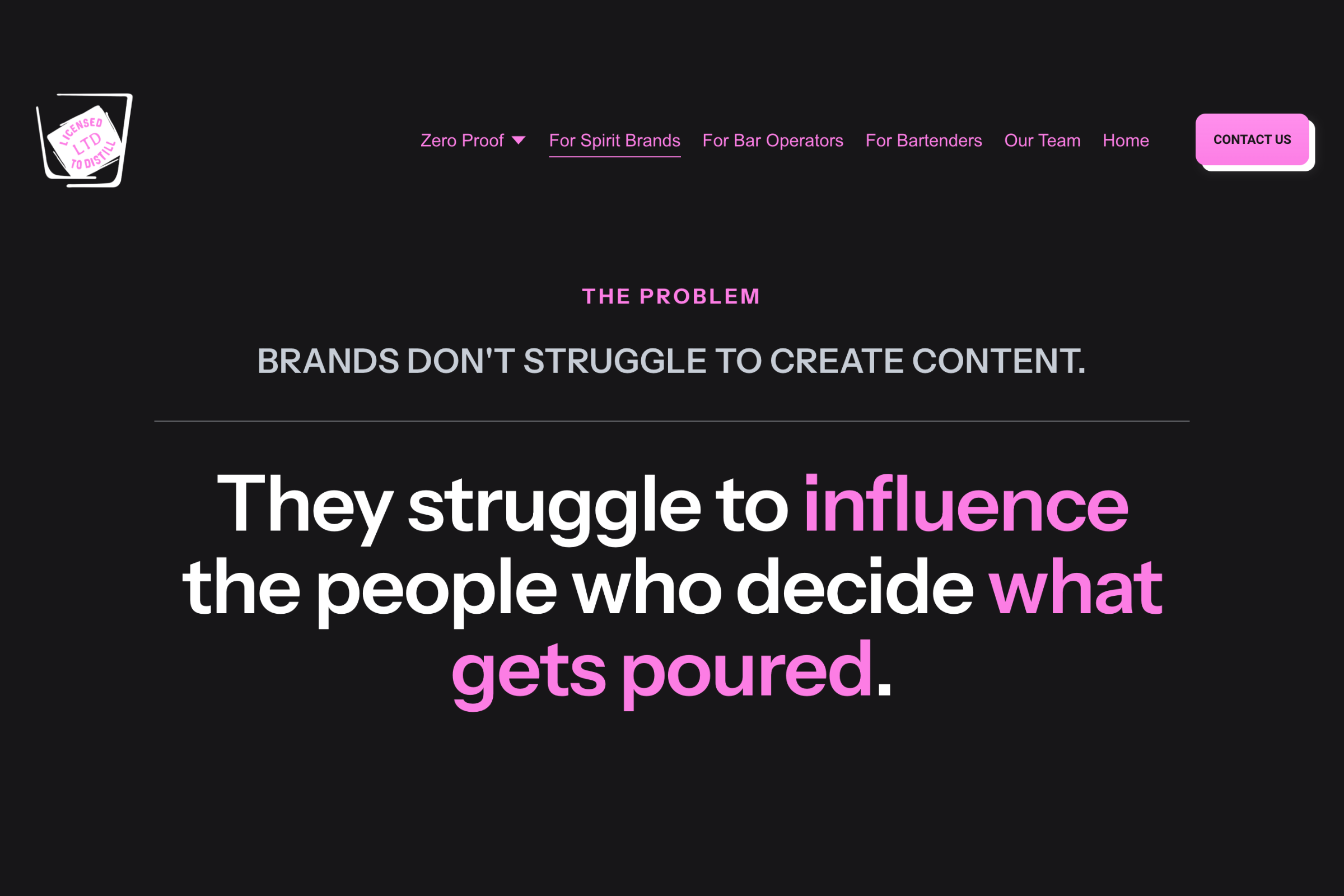
LTD had built a real, personal following as an individual influencer inside the cocktail and hospitality world. What it didn't have was a way for spirits brands to treat that following as media they could actually plan a campaign around.
What I built
I shifted the operating model from influencer to agile media outlet: business development, content, and campaigns built to reach bartenders and bar operators on behalf of the brands paying for it. As fractional CMO, I own the business development cycle, so the materials read as one operation instead of assembled parts.
What changed
That shift is the reason the Zero Proof Project and Zero Proof Week exist at all: a standing initiative and an annual industry event that couldn't have been built on the old, personal-influencer model. LTD now runs partnerships with global spirits brands that treat the community as media, not a favor.
Queer Northshore
The Northshore already had a community. It just didn't have a way to find itself.
6,000+
Engaged followers built from zero
3,000+
People at events across the Northshore
Situation
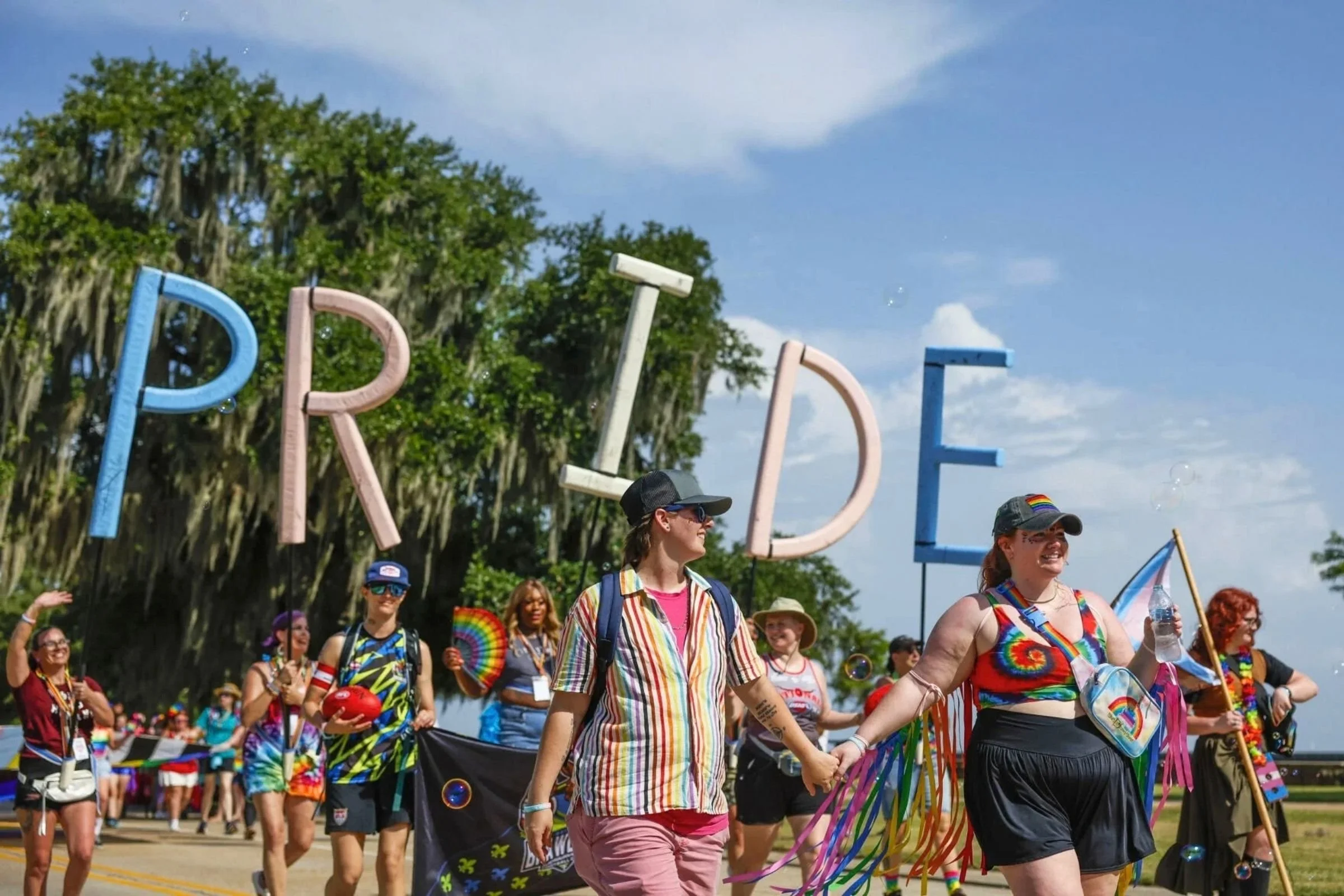
A region with a real LGBTQ+ community and no shared infrastructure for it; no way to reliably find each other, organize events, or reach local supporters.
What I built
Messaging, a social platform strategy, event promotion systems, and the region's largest LGBTQ+ business directory; one digital presence built to grow participation, not just visibility.
What changed
6,000+ engaged followers built from zero. 3,000+ people at events across the Northshore. A platform the region now recognizes as where the community organizes.
Tales of the Cocktail
One event a year is not a revenue model. It's a countdown.
30%
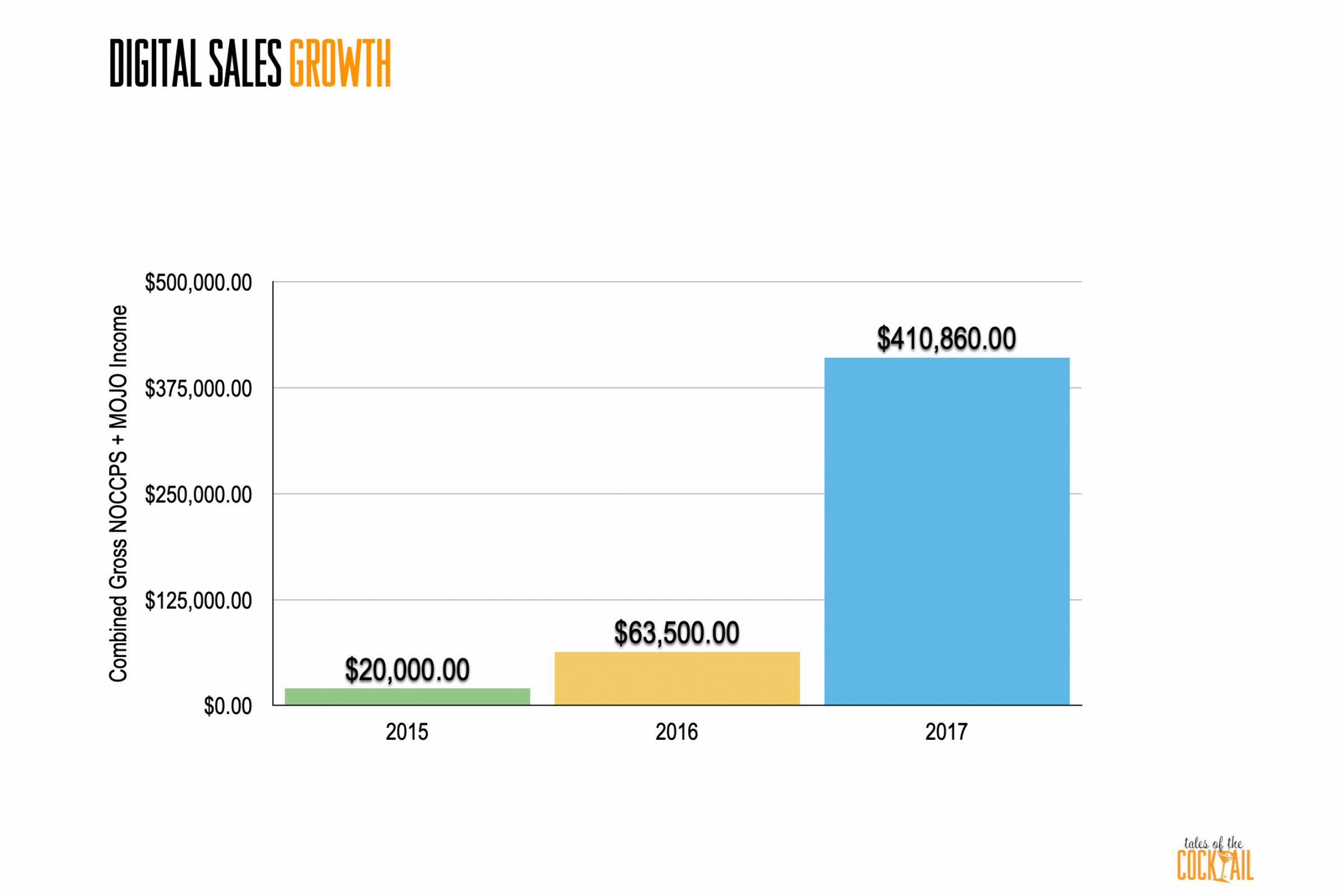
Of annual revenue from digital partnerships
250%
Growth in social channels
Situation
The cocktail industry's largest professional event, with essentially all of its marketing and revenue tied to a single week a year.
What I built
A year-round digital partnership program with major spirits portfolios (Bacardi, William Grant, Campari, LVMH, Diageo) plus the brand, content, and social strategy behind it, the sponsor presentations, and the foundation's 60-page annual recap making the case with real performance data.
What changed
Digital partnerships grew into 30% of annual revenue. Social channels grew 250%. Tales became a brand that global spirits companies partner with year-round, not just in July.
Aspen Estate Planning
Businesses often want the volume turned up before anyone agrees on what to say.
Self-Service
Launch a new campaign without a developer or agency
Built Once
A reusable system, not a one-off webinar page
Situation
Real expertise and a genuinely different approach to estate planning, on a website that didn't say who Aspen was especially equipped to help or why to choose the firm over a generic option. An agency-built website with no way to spin up new custom campaign pages, no reusable landing pages, no workflow for leads to follow.
What I built
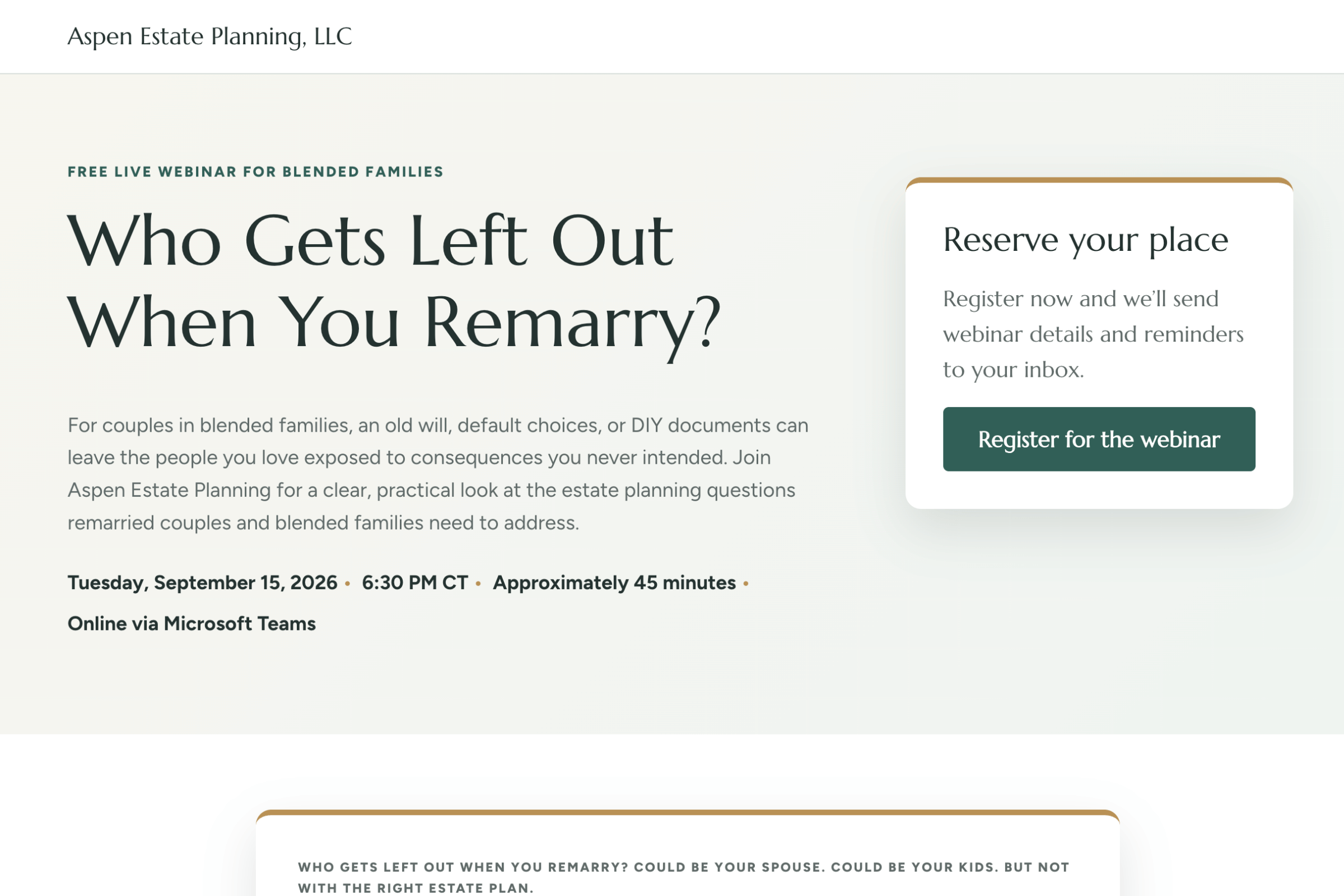
A voice and strategy framework that clarified who Aspen serves and what makes its process different, a reworked homepage, and a reusable lead-focuused, landing-page system they can run themselves: pick a goal, fill in the fields, publish. Used it to launch Aspen's first webinar campaign end to end.
What changed
Aspen now owns something that didn't exist before: the ability to launch a new campaign (pick a goal, fill in the fields, publish) without an agency. That's the outcome, not the webinar page itself. Direct, permanent control over how the firm turns a specific audience into qualified inbound interest.
Tiki Diablo
More marketing was never going to fix $300,000 in orders nobody could ship.
$300K+
In pre-orders unblocked
3 → 1
Websites consolidated into one
3,500
Dormant customers reactivated into an active list
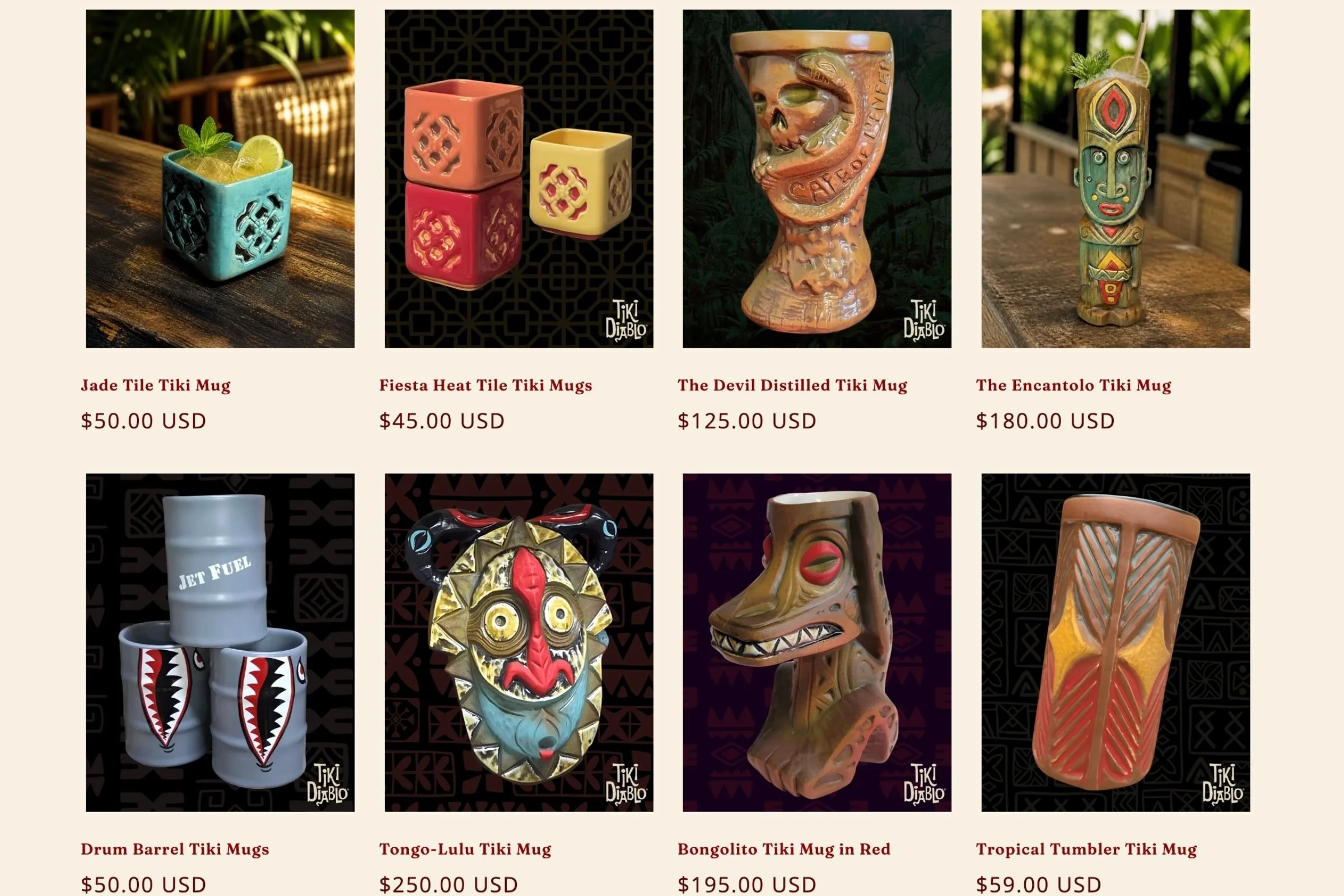
Situation
A legacy brand with a devoted following and no systems to match it: the storefront split across three different websites cobbled together to look like one, customer history and order data scattered across platforms, a decade of customers who'd never received a single email, and more than $300,000 in customer revenue tied up in years of unfulfilled pre-orders with no production workflow behind them.
What I built
A full audit across the storefront, sales history, inventory, and operations. Then one clean website with a full set of connected systems in place of the three sites pretending to be one, a real brand voice and content strategy that carried Danny Gallardo's design history forward through a careful transition after his passing, an email program built on a customer list a decade of sales had never put to work, and a production-management system to keep it running every day.
What changed
Three sites became one, with lower costs from day one. A dormant list of 3,500 customers is now generating sales. And the real constraint — fulfillment, not audience interest — now has a structured path to clear the backlog, release that trapped revenue, and back every future pre-order with a system that can actually deliver on it.