
About
I wrote my first copy at fourteen, for my mother's direct marketing company.
Since then my work as a strategist has impacted agencies, hospitality brands, nonprofit advocacy, political campaigns, and digital strategy, on projects connected to everything from grassroots initiatives with no budget at all to global spirits brands. Some of it was excellent. A good deal of it taught me what doesn't work, which turned out to be the more durable education.
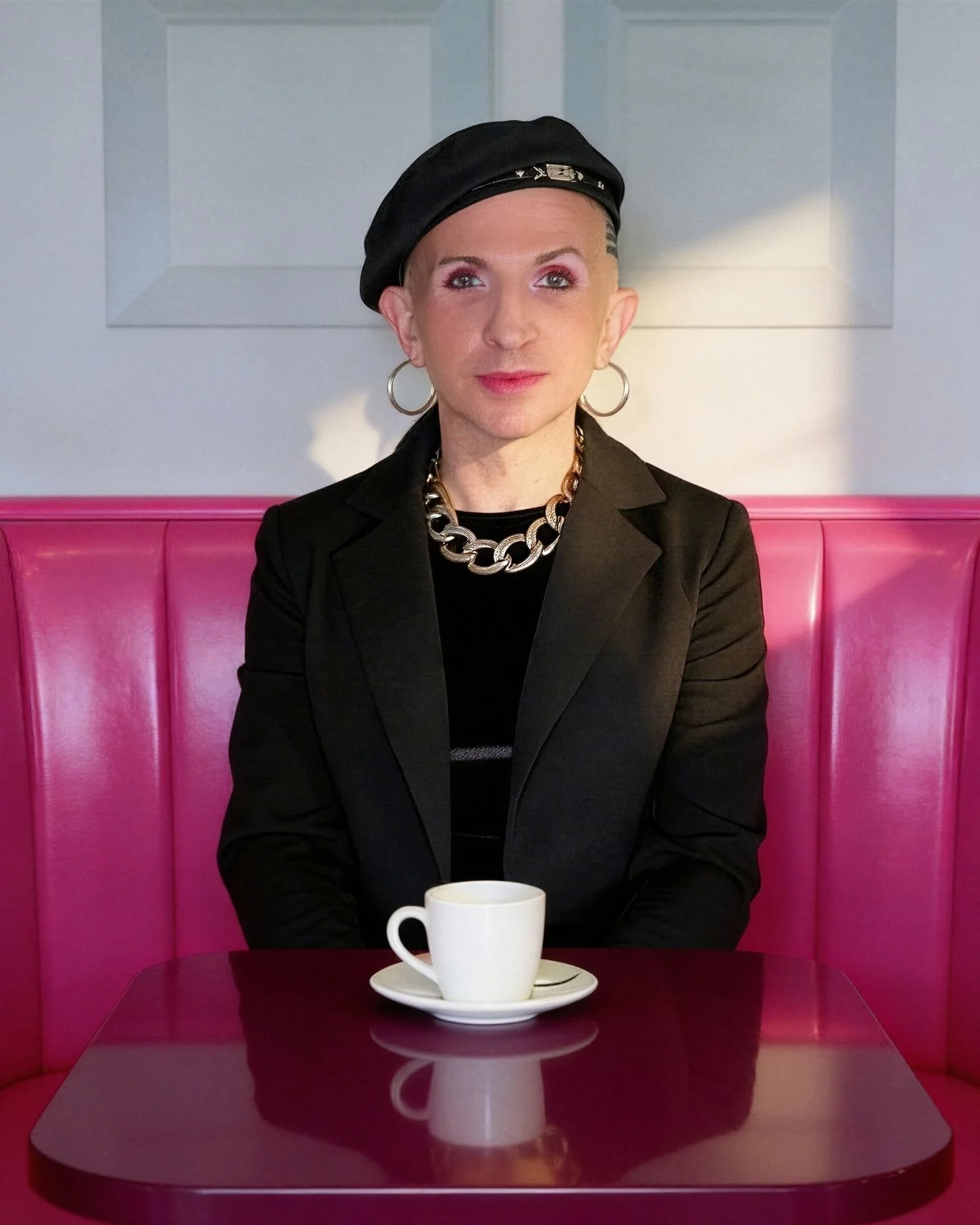
Slay Channel’s model: Figure out what's actually preventing the desired outcome, decide what's true, and then build only what the solution justifies.
Why this practice exists
The same pattern kept appearing across organizations that had nothing else in common. Marketing was being asked to fix problems that marketing did not cause. More content, more campaigns, more spend, all faithfully amplifying a the wrong message.
Slay Channel exists to do the work that comes first: Figure out what's actually preventing the desired outcome, decide what's true, and then build only what the solution justifies.
How I work
I work as one person on purpose. The person who does the diagnosis is the person who does the build, which removes the handoff where most of the meaning normally goes missing. It also means I take on fewer engagements than an agency would and turn down work that isn't a fit, which is less a philosophy than just math.
I'm based in the New Orleans Metro area, and have lived in Louisiana for eighteen years. NYC before that. Born and educated in California.
What shapes the work
I founded a nonprofit and have organized in my own community for years. That's where I learned that values only matter when they're visible in practice, usually in a decision that costs something. It's also where I learned how much organizations can accomplish with almost no budget when the message is clear, and how little they accomplish with a large budget when it isn't.
I'm a trans and queer business owner. That isn't a marketing position, it's context for why I pay attention to whether an organization's stated values show up in it’s actual decisions.
I also think in systems, which is less a discipline I trained in than the way my attention works. Patterns in complicated systems tend to surface for me before they resolve into language, which is useful for diagnosis and occasionally inconvenient in meetings.